

How to Balance Ethics and Style with Ethical Branded Merchandise
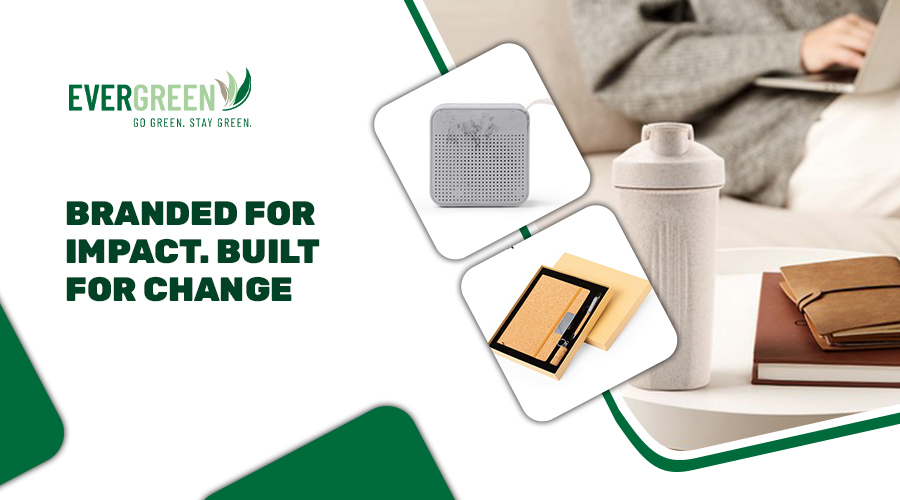
The thing about ethical branded merchandise is that it has always been the key to making a truly memorable impression, often demanding a high degree of creativity. Marketing today often goes beyond simply putting a logo on a T-shirt or a basic tote bag.
When purchasing a product, many consumers today are interested in knowing certain things. Specifically, where do those items originally come from? And how exactly are they made? Companies that readily embrace eco-friendly practices are, as a result, especially valued by those customers.
For this reason, picking ethical branded merchandise is vital in the existing business environment.
Evergreen Promotions is here to help you find the perfect blend of style and sustainability. You don’t have to choose between these, as you can achieve both using the proper path. We all believe that high-quality and ethically sourced products define real brand equity.
Follow the instructions below to ensure you pick attractive, eco-friendly branded goods.
1. Defining ‘Ethical’ Standards for Your Merchandise
The word “ethical” generally evokes the associations “expensive” or “difficult to find.” In reality, it is merely about ensuring that the planet and workers are considered in the production process. This includes everything from raw material harvesting through to the factory floor.
“Ethical” products are the ones manufactured under humane working conditions, using safe methods, and paying good wages. Hence, to be ethical means being forthright about the production and marketing situation. At the price of someone’s health or welfare, this should not happen.
Using products created with ethical sourcing can help you express your brand values to clients. Furthermore, by means of ethical labour policies, you may aid in the promotion of improved working circumstances. Modern consumers look for companies that show they get their products from responsible sources.
2. Focus on Renewable Inputs for Eco-Conscious Merchandise
Quality materials are always essential. And that goes for sustainable options, too. You really should choose only materials that will last longer, specifically, those that are renewable or can be made with recycled content. Selecting these renewable resources helps you avoid the pointless depletion of natural reserves.
At Evergreen Promotions, we aim to offer sustainable branded merchandise alternatives, including organic cotton, jute, cork, bamboo, and PET fabrics made from recycled plastics.
Some examples are:
- Eco T-shirts and Hoodies: These are comfortable. And breathable, too. The construction uses either pure cotton or, alternately, a specialised bamboo-blended cotton mix.
- Reusable Drinkware: This includes sturdy glass coffee mugs and stainless-steel bottles here. They want to keep up that high-end look while strongly encouraging reduced plastic usage overall.
- Tote Bags: Think recycled fabric bags made of jute. They are strong, certainly beautiful, and absolutely useful for everyday needs.
When you have environmentally friendly goods, we see that this sometimes clearly indicates you are exhibiting both ethical behavior and long-term sustainability.
3. Prioritise Long-Lasting Quality over Volume
Choosing eco-friendly products is considered a genuinely clever approach. Why? To make sure your goods are regularly used and consistently fit sustainable practices.
Giving away inexpensive goods could seem like a clever marketing strategy, but if consumers discard them after one use, they provide your brand no actual value.
Sometimes, fewer, but better products make a much stronger impact.
4. Know the Production Process of Your Ethical Branded Merchandise
Sustainability is not only about the materials but also about the processes used to make the products. This includes the factory’s energy source and the water treatment processes.
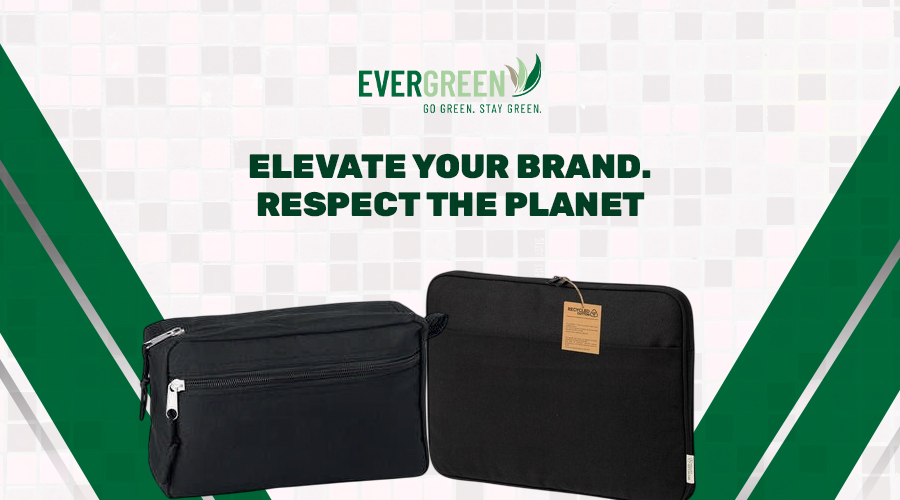
Inquiring questions are a good way when picking a supplier. Do they lessen production waste percentages? Are their packaging materials recyclable?
Evergreen Promotions seeks to buy eco-conscious branded goods. We source them from companies that aim to employ ethical means of production. Our true aim is to partner up with someone who clearly shows that they are genuinely working to reduce their operational carbon footprint.
5. Support Local Producers
Local production or fair trade is considered an efficient approach to increasing the ethical level of your goods. Buying from regional farmers may help local artists and businesses that value fair pay. Transparency and impact show that consumers often value this dedication to global and community welfare.
Local sourcing could reduce emissions from transportation in comparison to far-off imports. Lowering shipping distances can increase the sustainability of items bearing environmentally friendly labels.
The business can also draw attention to local craftsmanship. This feature clarifies the honesty of its message and offers an interesting story that international supply networks may not match.
Eco-friendly products can reflect socially responsible and environmentally friendly goals that most consumers value.
6. Customise with Care
Branded merchandise has many factors, and customisation takes up the most space. For instance, overprinting, heavy packaging, or using toxic dyes might quickly ruin the environment and cause you to lose the eco battle.
Pick clever and environmentally friendly customisation instead. This covers digital printing with non-toxic inks, embroidery, or laser engraving. The packaging could likewise be reusable and simple. It indicates the brand is eco-conscious.
Evergreen Promotions can be the right partner for brands. We can help you customise your conscious merchandise to look valuable, yet nobody would be able to tell that it was made with waste reduction in mind.
It is about making people want to use the products and not just store them.
7. Consider Life Expectancy
Products designed for durability and featuring recyclable components may help reduce waste. Many individuals use them frequently, so your logo and message remain apparent. They do not add to waste or mess, which implies that your product is designed to help reduce environmental impact. This can extend the marketing lifecycle for your brand’s investment.
Trust is built through the longevity of the product and, therefore, of the brand. Customers begin to link your brand with quality, not with throwaway marketing.
8. Partner with Ethical Merchandise Organisations
Work with a business whose ethics suit yours and that understands how to create sustainable branded merchandise that suits your taste. Reliable partners should offer clear sourcing data and relevant certification documentation, including Fair Trade or GOTS.
Evergreen Promotions aims to help companies identify fashionable yet environmentally friendly ideas that truly distinguish them. We won’t merely print your logo; we will truly guide you in narrating your story through ethically produced products.
Final Thoughts
The world most certainly does not require one more wave of cheap, disposable marketing items. What it most definitely needs are intelligent, ethical goods that truly mirror actual values.
Choosing eco-friendly promotional items can be a good beginning to show your dedication to responsible manufacturing and environmental awareness. Evergreen Promotions aims to help you pick ethical branded merchandise without sacrificing style.

A really insightful read 👏 Balancing ethics and style in branded merchandise is no longer optional—it’s essential. I love how this highlights that sustainability isn’t about compromise, but about making smarter, more intentional choices that reflect real brand values. Thoughtful sourcing, quality over quantity, and responsible customisation truly make ethical merchandise more impactful and memorable. Great work by Evergreen Promotions in championing this approach.